


In the realm of software license management, KMS tools have emerged as indispensable assets. Efficiently handling software activations and ensuring compliance can be a daunting task for IT administrators. This article delves into the capabilities of kms tools and how they simplify the process of license management, enhancing operational efficiency while reducing administrative burdens.
Understanding KMS Tools
KMS, short for Key Management Service, is a critical component in managing volume licenses, particularly in large enterprises. KMS tools facilitate the activation of Microsoft’s products such as Windows and Office without needing individual product keys for each installation. This centralized approach streamlines system activation processes and ensures that all devices remain compliant with licensing requirements. The use of kms tools represents a strategic advantage for large organizations that require consistent and reliable software performance across multiple systems.
The Role of KMS Tools in System Activation
KMS tools are specifically designed to activate various versions of Windows and Office, including popular iterations such as Windows 10 and Office 2021. By utilizing these tools, IT administrators can automate the activation process across numerous systems, saving significant time and effort. The tools interact with Microsoft’s activation servers to validate software licenses, thus maintaining a seamless operation within an organization. Moreover, the automation provided by kms tools eliminates the need for manual interventions, thereby reducing potential errors that could arise from human input.
Key Features of Popular KMS Tools
- Windows 10 Activator Download: Provides a straightforward method to activate Windows 10 editions, ensuring consistent performance and security updates. This tool is essential for businesses that rely heavily on Windows platforms for their daily operations.
- KMSpico Download: Known for its user-friendly interface, KMSpico offers reliable activation services for both Windows and Office products. Its simplicity makes it accessible even to those with limited technical expertise.
- Activator Office 2021: Simplifies the process of activating Microsoft Office 2021 across multiple devices within an enterprise environment. This feature is particularly beneficial for companies that utilize Office applications extensively for productivity purposes.
KMS Tools vs. Other Activation Software
When comparing kms tools to alternative activation software methods, several distinctions emerge. Unlike retail license keys or MAK (Multiple Activation Keys) which require manual entry for each installation, KMS automates this through server-based verification. This method not only alleviates the administrative load but also enhances security by reducing reliance on manually distributed keys. Additionally, kms tools provide a more scalable solution suitable for growing businesses that may expand their IT infrastructure over time.
Technical Implementation of KMS Tools
The technical deployment of kms tools involves installing a key management service host on a server machine within the network. This host communicates with client devices to manage activations automatically. For optimal performance, it is recommended that the host server aligns with enterprise specifications—such as utilizing a VM configured with at least 2 vCPUs and 4 GB RAM—to handle multiple requests efficiently. Adequate planning during implementation ensures that the server can accommodate increased demands as organizational needs evolve.
The Process Behind Using KMS Tools
The typical process involves downloading and configuring the necessary kms toolkit on your designated server. Running commands like slmgr.vbs allows administrators to configure and manage license parameters effectively. Regular synchronization with Microsoft’s servers ensures that licenses remain valid over time. This proactive approach helps maintain uninterrupted access to essential software resources critical to business functions.
Troubleshooting Common Issues with KMS Tools
An issue often encountered when using kms tools is connectivity errors between client machines and the KMS host server. Ensuring proper network configuration and troubleshooting firewall settings can resolve most communication issues. Additionally, auditing logs regularly helps preemptively identify potential discrepancies in activations. A systematic approach to troubleshooting not only resolves immediate concerns but also improves overall system resilience against future complications.
Advantages of Using KMS Tools in License Management
The utilization of kms tools offers several advantages over traditional manual methods of software activation. Notably, they provide an automated solution that greatly reduces human error during deployment procedures. Organizations can achieve substantial cost savings by minimizing downtime associated with manual activation processes. Furthermore, automated activations ensure consistency across all devices, which is crucial in maintaining standard operating environments within businesses.
Streamlining Operations with a License Manager Using KMS Tools
A dedicated license manager incorporated into kms tools allows businesses to effectively oversee their digital licenses across various platforms. This ensures compliance with licensing terms while facilitating quick access to authorization data when needed for audits or internal reviews. The comprehensive oversight provided by a license manager helps organizations avoid costly penalties related to non-compliance while maximizing their software asset investments.
KMS Tools as Part of a Comprehensive Software Toolkit
Incorporating kms tools into your organization’s broader software toolkit significantly boosts productivity levels by ensuring reliable operation without requiring extensive oversight from IT personnel. As part of a robust license management strategy, these tools contribute to maintaining software integrity company-wide. By freeing up IT resources from routine tasks associated with manual activations, businesses can redirect focus toward more strategic initiatives that drive growth and innovation.
The Implications of Using KMS Tools Responsibly
While powerful in managing activations efficiently, it’s essential for organizations to use kms tools responsibly and ethically. Strict adherence to licensing agreements is imperative to avoid legal issues associated with unauthorized use.
Organizations must ensure regular audits are performed within their network environments to verify all activations are legitimate and compliant. Implementing snapshot timings during critical updates can help maintain system stability while utilizing these essential toolkits responsibly.
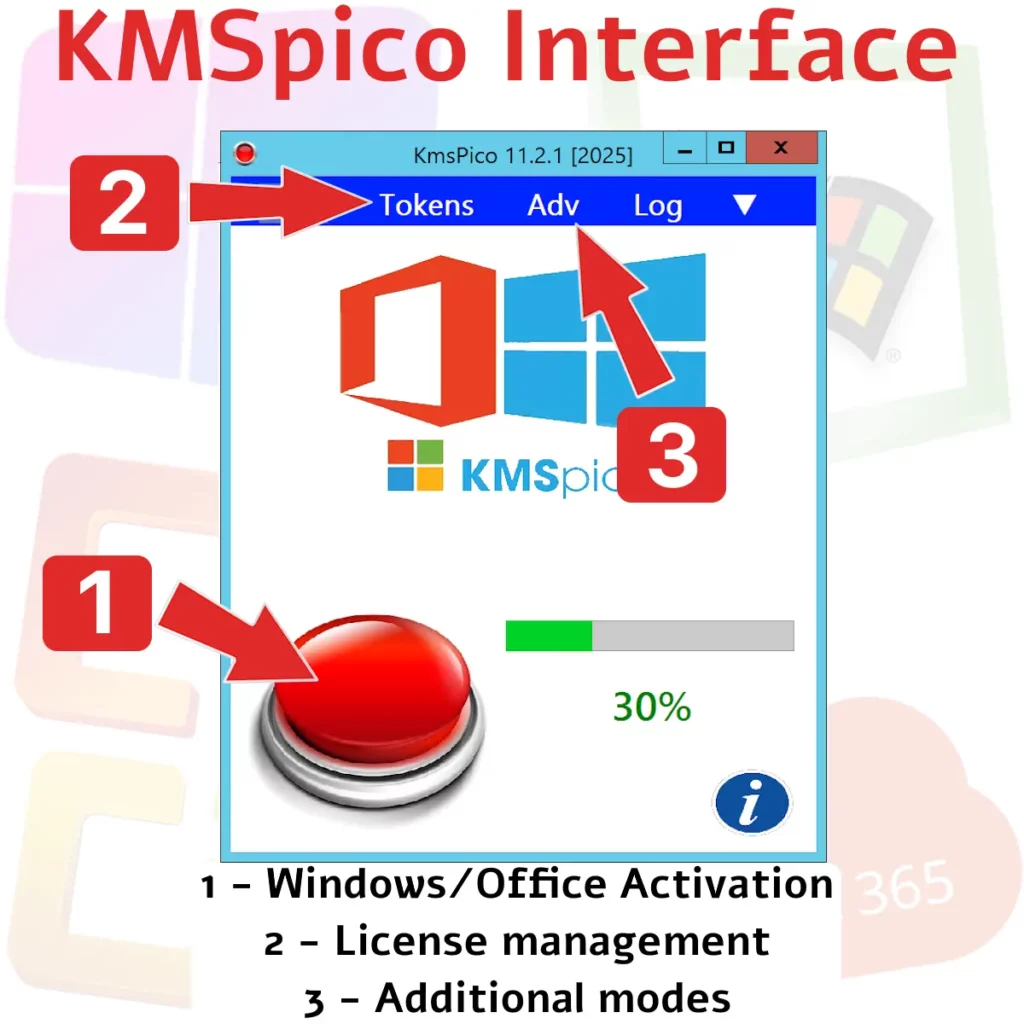
Choosing the Right Activation Solution: Emphasizing KMS Tools
Selecting an appropriate activation solution depends largely on the size and scope of your organization’s IT infrastructure needs. While some businesses may find traditional methods sufficient, those managing larger networks will benefit significantly from automated solutions provided by kms tools.
Ultimately, understanding different options available—whether through kmspico downloads or other variations—equips decision-makers with insights necessary to optimize their licensing strategies effectively while safeguarding operational integrity throughout their organizational structure.
The Future Landscape of License Management with KMS Tools
The evolution of technology continues to shape how organizations manage their digital assets, making kms tools even more relevant today than ever before. As enterprises grow increasingly reliant on diverse software ecosystems, maintaining control over multiple licenses becomes paramount in ensuring efficient operations.
Kms tools stand at the forefront of this evolution by offering scalable solutions adaptable to rapidly changing technological landscapes. Their ability to seamlessly integrate into existing IT infrastructures positions them as invaluable components in any forward-thinking company’s arsenal.
Looking ahead, advancements in artificial intelligence and machine learning are likely to enhance the capabilities of kms tools further, offering predictive analytics that could anticipate licensing needs before they arise or detect anomalies faster than current methodologies allow—a prospect that promises greater efficiency gains across industries worldwide.